


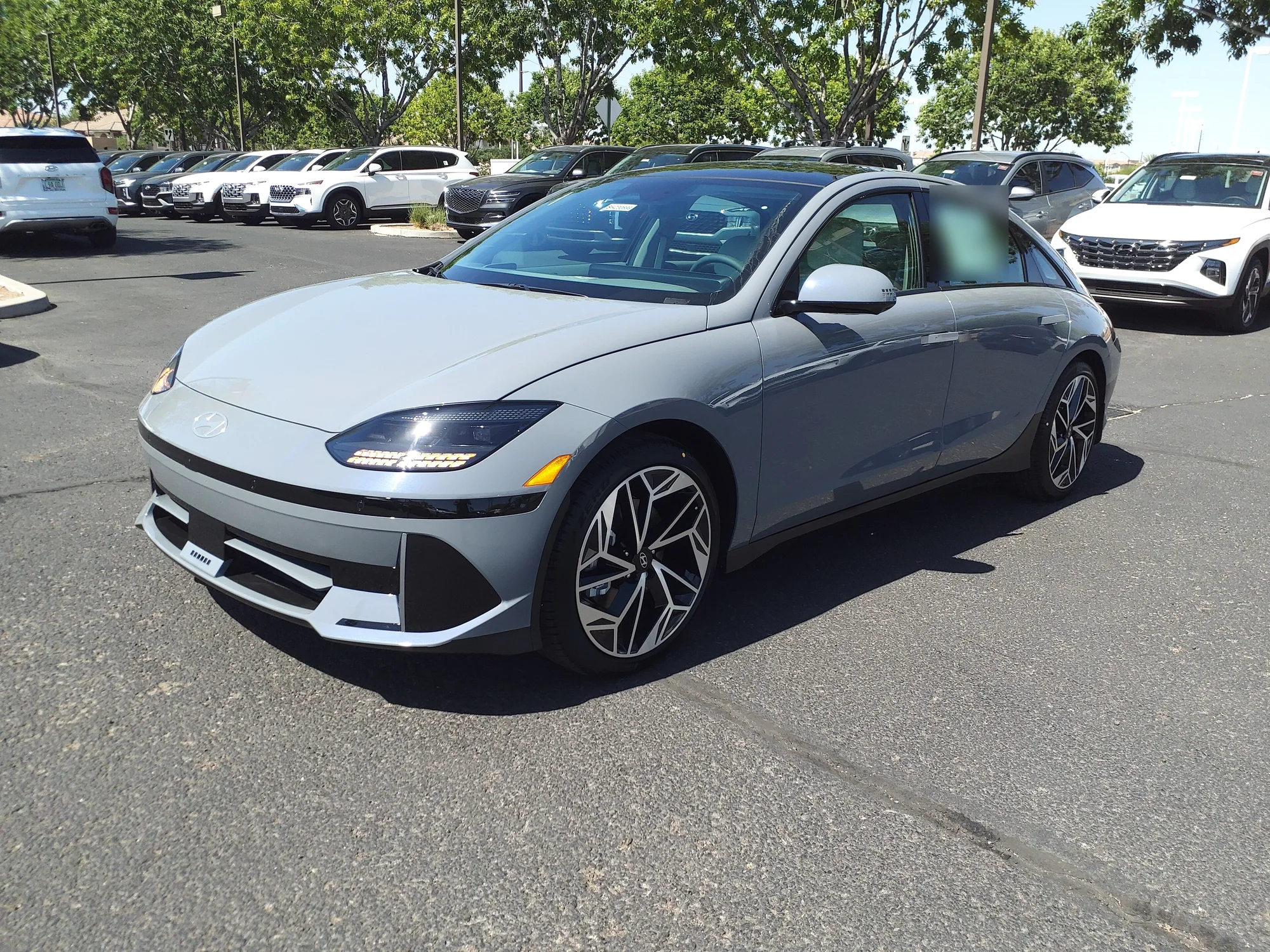
Lease vs. Buy an Electric Car: Why Leasing Wins in 2026
Last updated: October 2026
If you’ve decided your next car will be electric, congratulations – you’ve already made the big decision. Now comes the next one: should you lease your EV or buy it?
For a regular gas car, the answer depends mostly on your budget and how long you like to keep a car. We break down that general question in our post on why you should lease a car. But with an electric car, there are a few extra factors – battery technology, resale value, tax credits and warranty coverage – that tip the scales clearly toward leasing for most drivers. Let’s walk through each one.
The Short Answer
When you buy an EV, you take on all the risk of how fast the technology changes and what the car will be worth later. When you lease, you pay for the part of the car’s value you use during your lease, and the leasing company carries the risk of what it’s worth at the end. With EVs, that’s a big difference.
Reason 1: EV Batteries and Technology Are Changing Fast
Better Batteries, Faster Charging
Electric cars are improving quickly. Almost every year brings new battery designs, faster charging, more range and smarter software. Just look at what’s coming to showrooms: BMW’s new-generation iX3 and Volvo’s new EX60 are both EPA-listed for the 2027 model year, and the Mercedes-Benz GLC is getting an all-electric version too.
That’s great news for drivers, but it’s tough news for owners. A car that’s state-of-the-art today can feel dated in a few years – and that shows up in its resale value. With a lease, you can simply turn your car in at the end of the term and step into the latest model.
Charging Standards Are Shifting
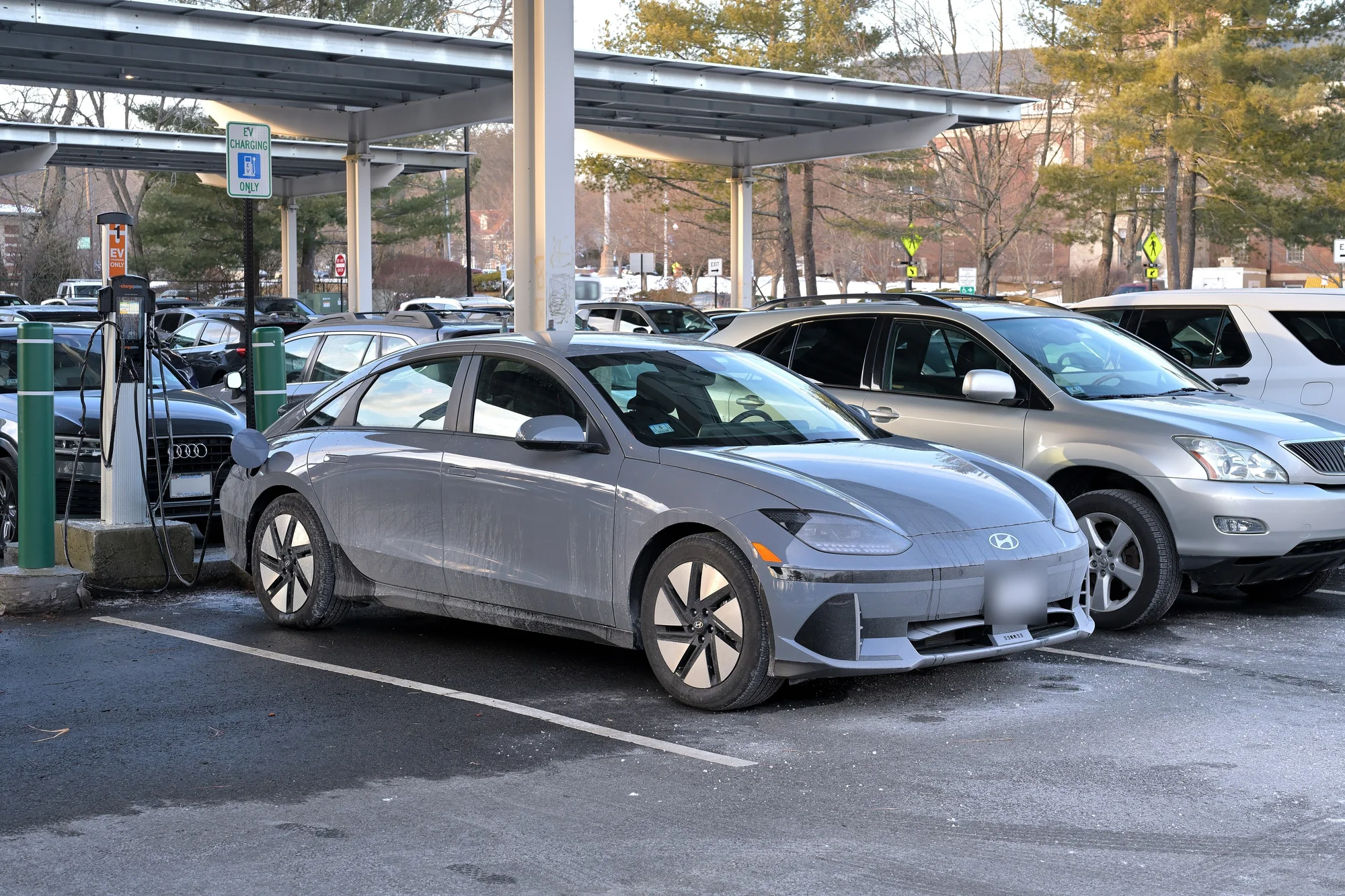
Even the charging plug is changing. The US industry is moving to the NACS (SAE J3400) charging port. Hyundai’s 2025 IONIQ 5 was among the first to get a built-in NACS port, and Toyota has announced its own move to NACS. Owners of older EVs with the previous plug style may need adapters. When you lease, transitions like this are much less of a concern – your next car will simply come with whatever is current.
Reason 2: Depreciation and Resale Risk Become the Lender’s Problem
Depreciation is often the biggest cost of owning a new car, and EVs feel it more than most. In iSeeCars’ 2026 study of more than 950,000 five-year-old vehicles, electric vehicles lost an average of 57.2% of their value after five years, compared with 41.8% for all vehicles. The study also found that while every vehicle segment held its value better in 2026 than in 2025, EV depreciation “barely improved.”
Here’s why that matters. As we explain in how car lease works, your lease payment is based mostly on the difference between the car’s price and its residual value – what the car is expected to be worth at the end of the lease. That residual is written into your contract on the day you sign.
- If the car ends up worth less than the residual, you simply turn it in. The loss belongs to the leasing company.
- If the car ends up worth more, many leases let you buy it at the contract price – so you can still benefit.
When you buy, there’s no safety net. Whatever the market says your EV is worth when you sell or trade it in, that’s what you get.
SEE THIS MONTH’S LEASE SPECIALS
Reason 3: The Tax Credit Picture Has Changed
The Federal Credit Ended September 30, 2025
For several years, federal tax credits were a big part of the EV conversation. Under the One Big Beautiful Bill Act signed in July 2025, that changed. According to the IRS, the new clean vehicle credit (Section 30D), the used clean vehicle credit (25E) and the commercial clean vehicle credit (45W) are not allowed for vehicles acquired after September 30, 2025.
The commercial credit is the one that mattered most for leasing. As the Congressional Research Service explains, leasing companies were able to claim the 45W credit (up to $7,500 on passenger vehicles) on cars they leased to customers and pass some or all of that savings on – even on models that didn’t qualify for the buyer’s credit. That “lease loophole” ended along with the credits themselves.
What Incentives Are Left?
With the federal credit gone, the deals now come mainly from two places:
- Manufacturer programs. Automakers still use special lease rates, lease cash and loyalty or conquest offers to move EVs. These change from month to month and brand to brand. Some are available only on a lease, others only on a purchase – which is why it pays to have a broker compare both.
- California’s MyFirstEV program. Launched on August 3, 2026, MyFirstEV gives Californians buying or leasing their first zero-emission vehicle an instant, point-of-sale incentive of up to $3,500 on qualifying new ZEVs with an MSRP of up to $50,000 (and up to $1,750 on qualifying used ZEVs). It’s offered through participating automakers on a first-come, first-served basis while funding lasts, and it can be combined with certain other state programs such as Clean Cars 4 All and the Driving Clean Assistance Program.
Because incentives can change quickly, we always confirm what applies to your specific vehicle before you sign. On approved credit. Subject to availability.
Reason 4: Your Whole Lease Stays Under Warranty
The battery is the single most expensive part of an electric car, and it’s the part people worry about most. The good news is that automakers back their EV batteries with long warranties. A few examples:
- Toyota covers the traction battery in its battery-electric models for 8 years/100,000 miles, whichever comes first, including capacity loss below 70% of the original.
- Hyundai covers its hybrid/EV batteries for 10 years/100,000 miles and states the battery will not degrade below 70% of original capacity during the warranty period.
The most common lease terms run from 24 to 48 months, so the entire time you drive the car, it’s well inside the battery warranty – and usually inside the basic factory warranty too. That’s why our car lease tips recommend keeping your lease term within the basic warranty.
When you buy and keep an EV for eight, ten or more years, you may eventually drive past the end of that coverage. A lease takes that question off the table.
When Buying an EV Can Still Make Sense
Leasing isn’t for everyone, and we’ll always give you an honest answer. Buying may be the better fit if:
- You drive far more miles than a typical lease allows.
- You plan to keep the car for many years, well past the warranty.
- You want to customize or modify your car.
- A particular model has a strong purchase incentive that isn’t available on a lease.
Not sure which camp you’re in? That’s exactly the kind of question we help with every day.
Lease vs. Buy at a Glance
- Technology changes: Lease – upgrade every few years. Buy – you keep the older tech.
- Resale risk: Lease – residual is locked in at signing. Buy – you take whatever the market pays.
- Incentives: Lease – lease-specific manufacturer programs. Buy – purchase-specific programs.
- Warranty: Lease – usually covered for the entire term. Buy – may outlive the coverage.
- End of term: Lease – turn it in, buy it, or move into a new EV. Buy – sell or trade it yourself.
Planning ahead for the end of your lease? Here’s how lease return works.
Ready to Lease Your EV? Talk to AutoLux
At AutoLux Sales & Leasing, we help drivers across Los Angeles and Sacramento lease the EV they want without the guesswork. We compare manufacturer programs across brands, check which incentives apply to you, and handle the legwork from quote to delivery. First time leasing? Read our guide for first-time car buyers and lessees.
Ask us about current EV lease programs. On approved credit. Subject to availability.
Let’s find your next electric car.
Call the office nearest you or start your credit application online. It takes a few minutes.